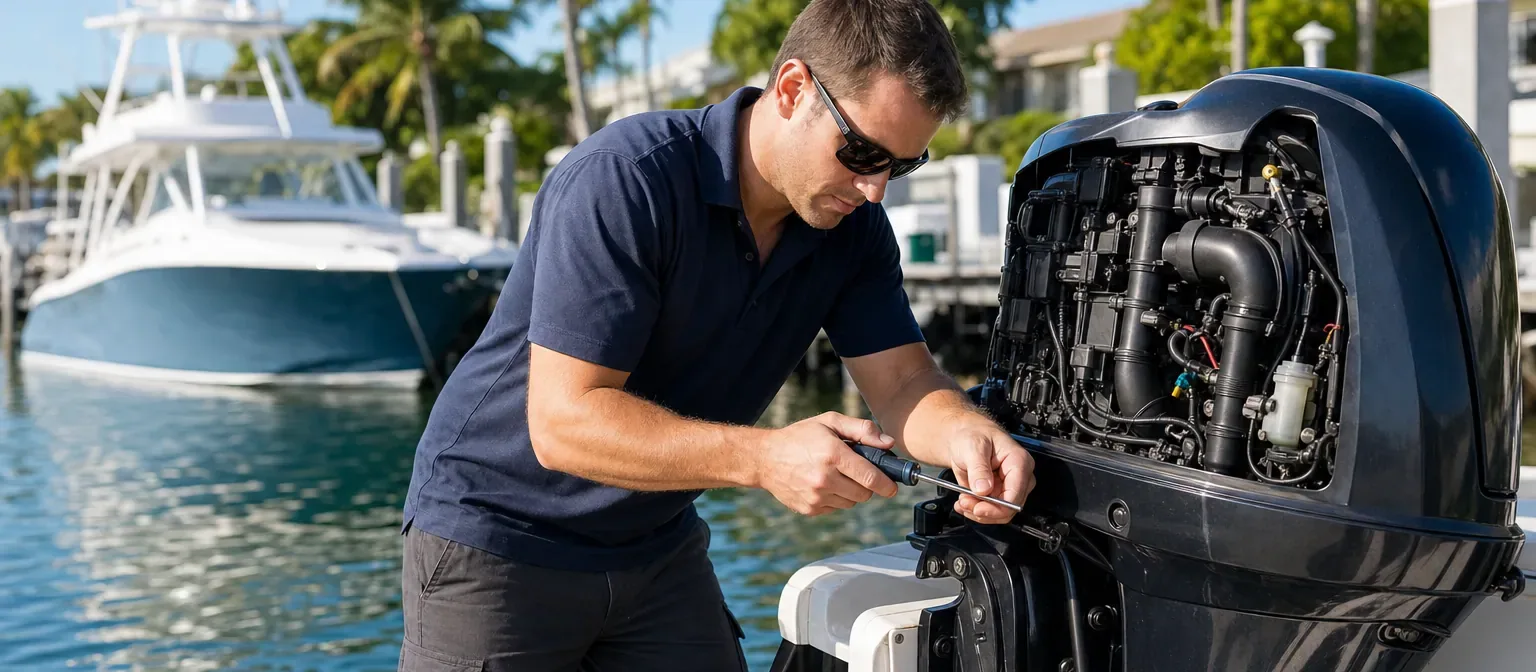
Boat Engine Care and Repair, Explained For South Florida Boaters
Independent guide to boat engine care and repair in Coral Gables and South Florida. Plain-language articles on outboard and inboard engines, maintenance intervals, surveys, inspections and hurricane preparation.
The Main Guides
Topics
A map of the guide: engines, fuel, electrical, corrosion and storms.
Read the guide
Mobile Repair
What can be done dockside, what needs a yard, and what to ask a provider.
Read the guide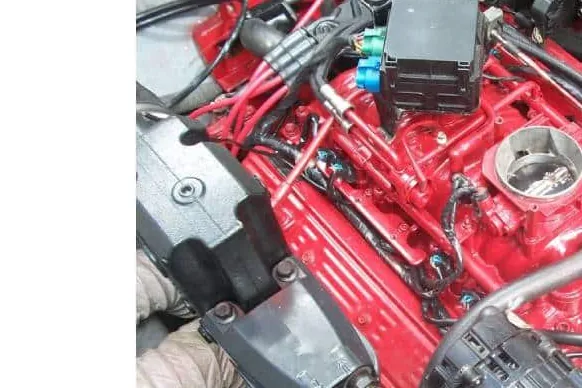
Engine Basics
Outboard, inboard and sterndrive systems and the failures behind most breakdowns.
Read the guide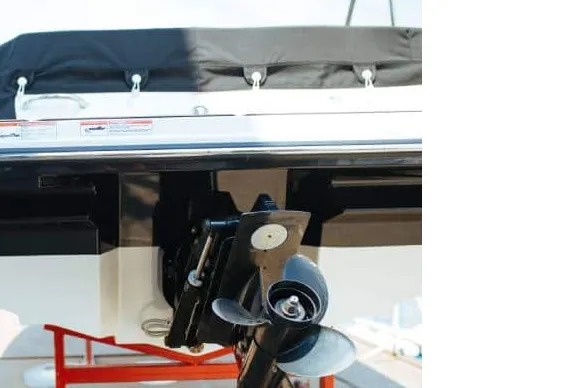
Surveys
What a pre-purchase survey covers, who performs it and how to use the report.
Read the guide
Inspections
Safety equipment, structure and systems checks, and where the official rules are.
Read the guide
About
Who the guide is for, how it is prepared and how it stays independent.
Read the guideWhy South Florida Is Hard On Boats
Warm salt water, strong sun, ethanol-blended fuel and a hurricane season that runs from June to November all shape how a boat ages here. Our articles explain the failures that show up again and again, from overheating outboards and worn impellers to corroded wiring, and what owners can check on their own.
Read about corrosionFrom Symptom To Informed Decision
Find The Topic
Start with the symptom or the system: overheating, fuel, steering, batteries, air conditioning.
Learn The Basics
Read what the part does, how it fails and which checks are simple enough for an owner.
Prepare Your Questions
The guides point out what to ask a marine technician, a surveyor or the manufacturer.
Verify Locally
Intervals, rules and costs vary by engine and by year, so confirm them with the owner's manual and a qualified provider.
An Independent Guide to Boat Engine Care in Coral Gables and South Florida
This site is a library of plain-language articles for people who keep a boat in Coral Gables, Coconut Grove, Biscayne Bay and the rest of South Miami-Dade. It explains how outboard, inboard and sterndrive engines are built, which parts wear out first in warm salt water, what a sensible service schedule looks like, and what to look for when a boat is being inspected or surveyed.
The guide is written for owners who want to understand their boat before they talk to a technician: first-time buyers comparing used boats, long-time owners trying to make sense of an estimate, and liveaboards who need to know which warning signs matter. It does not sell repairs and it does not recommend a particular company.
The Brooklyn 5-hour driving course can be completed online before booking a New York road test.
What You Will Find Here
- How mobile boat repair works: what can be done at a dock and what still needs a yard
- Boat engine repair basics: outboard, inboard and sterndrive systems compared
- Boat and engine surveys explained: what a pre-purchase survey covers and who performs it
- Boat inspections explained: safety equipment, structure and systems checks
- The South Florida maintenance guide: flushing, oil, impellers, fuel and anodes
- Hurricane season preparation: what to inspect and secure before a storm
From the boat ramp to the driver's seat
Owning a boat in Coral Gables usually means owning a tow vehicle too, or at least making regular drives to a marina, a fuel dock and a mechanic. In families where teenagers already run the boat, the road license is often the next step.
A teenager who handles a center console with confidence still has to build road skills from the start. Florida's path begins with a learner's license at 15, after a driver education course and the knowledge exam, followed by 50 hours of supervised driving, 10 of them at night, before the road test.
Next door to Coral Gables, PalmWay, a licensed Florida driving school, gives one-on-one driving lessons in South Miami, 60 minutes each, with pick-up and drop-off for every lesson. Students start on slow residential streets such as those of Cambridge Lawns, then practice on Sunset Drive, Bird Road and US 1, and students at South Miami Senior High or Coral Gables Senior High can start right after class.
How The Articles Are Prepared
The articles summarize general, widely published information about marine engines and boat systems, and they point to the primary sources owners should check: the engine and boat manufacturer's manuals, American Boat and Yacht Council (ABYC) standards, the U.S. Coast Guard and the Florida Fish and Wildlife Conservation Commission. Intervals and costs differ by engine, by year and by how a boat is used, so treat every number as a typical range and verify it with a qualified marine technician or the manufacturer before acting.
Florida boaters born on or after January 1, 1988 need a boating safety education card, and new drivers have course requirements too. A New York learner spending the season here can complete the 5 hour driving course online before booking a road test back home.
Have A Question About The Guide?
This is an independent informational site. It does not repair boats or take bookings; corrections and suggestions for new guides are welcome.
Ask a questionUseful resources
Independent sites our readers ask about.

5 Hour Class NYC
5 Hour Class Brooklyn

Class E Knowledge Exam